The Cry of the Beast
Starfield - Creation Kit
Gameplay Video
Project Summary
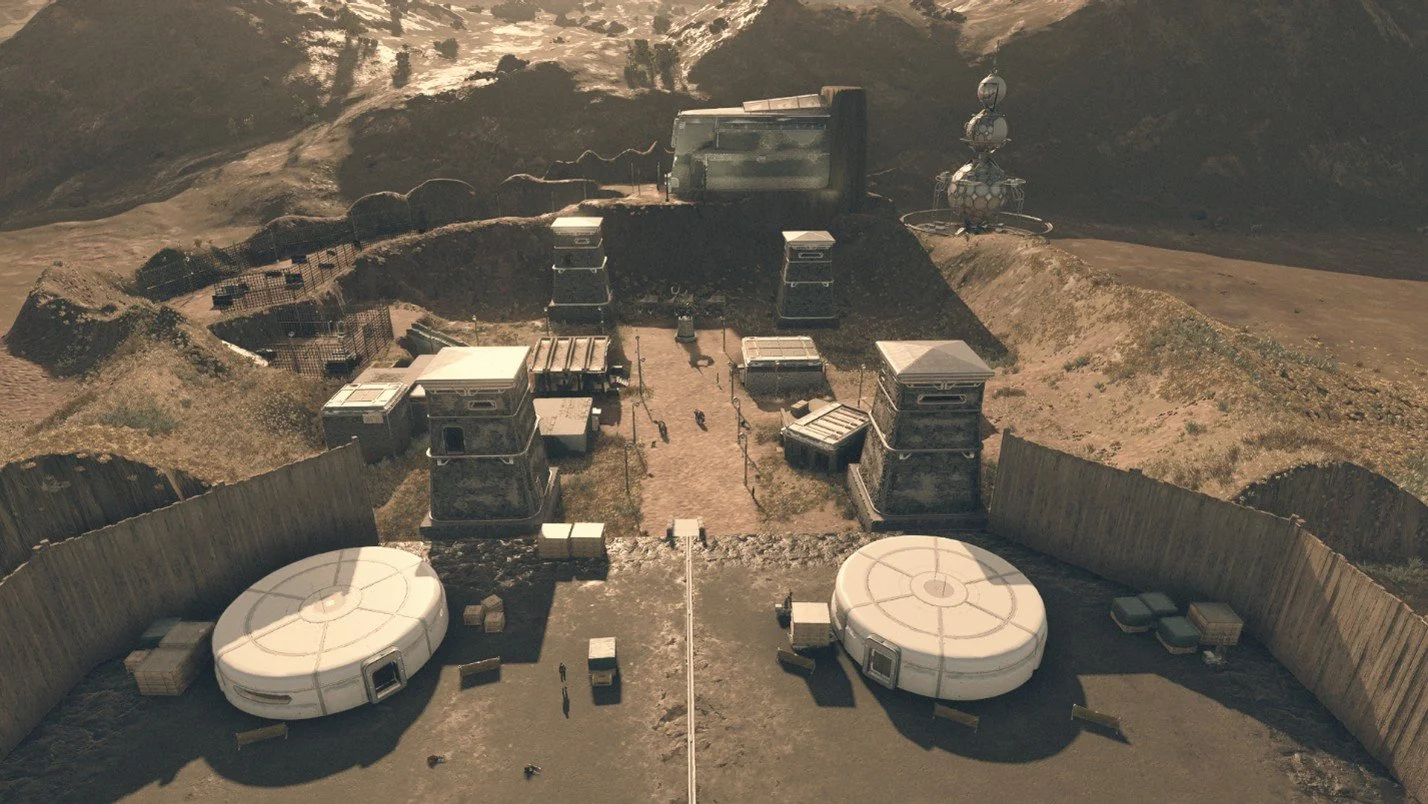
Description: The Cry of the Beast is a single player level that happens on Akila Planet in Starfield to release in 400 hours. One day the player receives a quest from a person named Mako to check her mother’s safety in Fuyuki Town on Akila Planet. The player then found that the village is using a control panel to control Ashta to help the human and the control panel is releasing a chemical element that causes the villagers become aggressive if the villagers get too much chemical element from the control panel. The players needed to make serious decisions between creatures and humans: Shut down the control panel to free Ashta or keep the control panel. In the level, the players will meet the persuasion challenge, Security challenge to unlock the doors and combat with Ashta or Human. The players will also have followers in some stages in the quest to control them unlock the door by using dialogue.
Editor: Starfield Creation Kit
Development Time: 4 Months
Mode: Single Player
Time to Complete: Around 15 minutes
Design Goals
Creating new mechanics by integrating the existing mechanics of Starfield
Creating diverse combat experience in the level
Creating good conveyance to lead the players in open exterior and interior areas
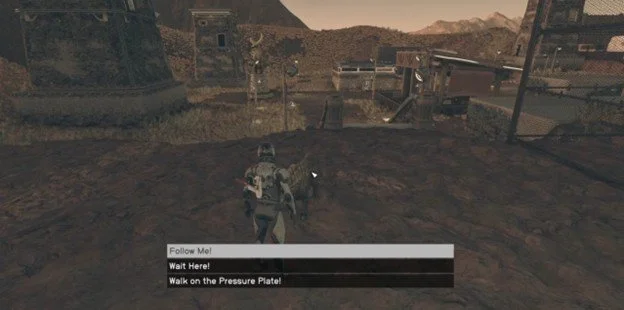
Created quest mechanics allowing players to talk to Ashta in Starfield, recruit them as followers, and control their behavior via dialogue.
Initial design focused on narrative about humans and creatures; making Ashta “talkable” was identified as an engaging idea.
Dialogue-based control intended to create fun interactions and puzzles.
Significant time spent implementing the system for Ashta to talk and behave differently in various areas.
Main challenge: long waiting times during dialogue scenes and Ashta not stopping when approached.
Solution: added a special AI package to make Ashta stop moving and disabled default camera to make dialogues smoother.
Creating new mechanics by integrating the existing mechanics of Starfield
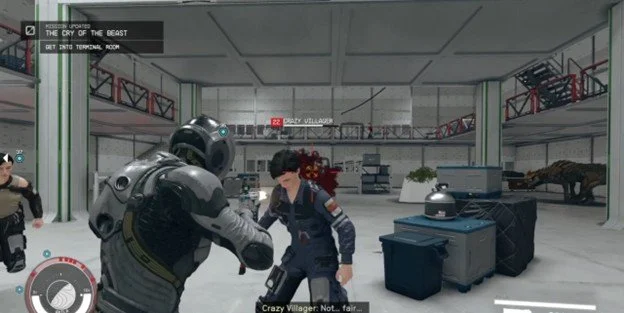
Combat variety in both exterior and interior areas was a successful part of production.
Players face three enemy types: Ashta, Melee “crazy” human enemies, Ranged “crazy” human enemies
Each combat area offers different combinations of these enemies for varied experiences.
Different enemy combat styles provide players with diverse tactical challenges.
Creating diverse combat experience
Providing clear guidance to players was a challenging design element.
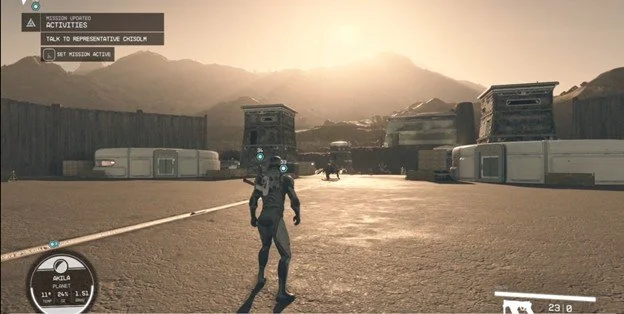
Target area (hospital) placed on a mountain, visible as soon as players reach the village.
Additional lighting on the hospital ensures visibility, even at night.
Village layout includes a clear main road, helping players distinguish important from less relevant areas.
Using Black wire connects a pressure plate to a door, visually guiding players to understand their connection.
Creating good conveyance to lead the players in open areas
Postmortem
What Went Well?
Finishing the basic narrative structure and implementing the narrative structure into Creation Kitt in early development worked well and helped a lot for future production
Completing the mechanics of using dialogues to control Ashta followers’ behavior in different areas.
Implementing various combats in both exterior and interior areas to create interesting combat experience.
What Went Wrong?
Spent too much time on polish the mechanics to use dialogue to control creatures in the game and did not work on the layout part in the early stage.
Did not have a clear decision about the impact of each choice until the end of the production process.
The overall interior area did not have an effective use of the pressure plate and the mechanics of using dialogue to control Ashta’s behavior. All the places that use the mechanics are quite simple, which is just the players talk to the Ashta and let the Ashta walk on the pressure plate to open the door.
What I Learned?
It is important to think about which parts of the production are more important in each milestone, and to make each part of the production have acceptable quality
It is important to make both choices of the quest have same or similar value when we are creating the narrative that can provide players with 2 different and opposite choices to make.
When we think about implementing new mechanics in the game, it is important to think about is there are multiple ways for the players to use the mechanics in different situations and how the mechanics can provide more challenges to the players in the later game.